

About the
Get-up project

Background of the project.
Homelessness remains one of the most complex social challenges, often associated with social exclusion, poor physical and mental health, limited access to employment opportunities, and reduced participation in community life
Across Europe, homelessness remains one of the most complex social challenges, often associated with social exclusion, poor physical and mental health, limited access to employment opportunities, and reduced participation in community life. People experiencing homelessness frequently face multiple barriers that hinder their reintegration into society, including stigma, social isolation, and lack of access to supportive services.
Sport and physical activity have increasingly been recognised as powerful tools for social inclusion and personal development. However, evidence shows that sport alone is not sufficient to produce lasting behavioural and social change. Many traditional sport initiatives fail because they assume that participation in physical activity automatically leads to positive developmental outcomes.
The GET-UP project (Life Skill Empowerment for Homeless People through Sport) addresses this challenge by adopting a more structured and evidence-based approach. Rather than treating sport as an end in itself, the project uses sport as a vehicle for developing life skills, resilience, and social inclusion. Through a combination of structured physical activities, experiential learning, and mentoring support, the project aims to empower individuals experiencing homelessness and support their pathway towards reintegration and improved well-being.
The project integrates sport within broader educational and psychosocial frameworks, ensuring that participation leads to meaningful outcomes such as increased self-confidence, improved interpersonal skills, and stronger community connections.
Objectives
01 Develop essential life skills
02 Enhance social inclusion and community engagement
03 Improve physical, mental, and emotional well-being
04 Strengthen self-confidence and personal development
05 Empower participants and promote leadership
06 Support the professional development of social workers, sport professionals, and volunteers
07 Promote “Sport for All” principles
Target Groups
Primary target group
Secondary target groups
• Sport coaches and outdoor education facilitators
• Volunteers and peer mentors supporting social inclusion initiatives
• NGOs and community organisations involved in social services and sport programmes
Indirect beneficiaries
• Policy makers and stakeholders working on social inclusion and sport policies
• Educational and training institutions interested in inclusive sport methodologies.
Innovation
The GET-UP project introduces an innovative approach by combining:
→ The sport plus model
→ The com-b model
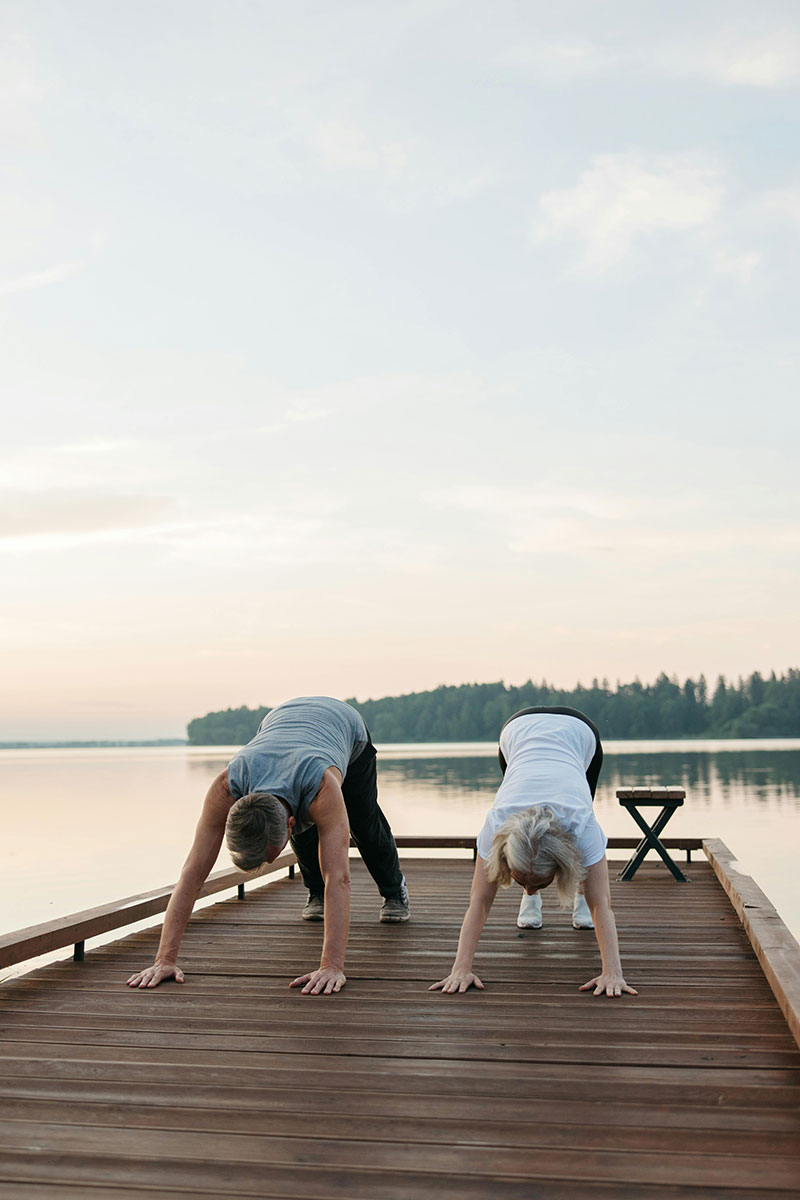
→ Nature based sport activities
The project is built around a Methodological Triad:
- Structured Physical Activity
Carefully designed sport exercises aimed at improving health, coordination, and teamwork. - Guided Reflection
Facilitated discussions and reflective practices that help participants connect experiences in sport with real-life situations. - Supportive Mentoring
Continuous psychological and social support to strengthen motivation and help transfer skills learned through sport into everyday life.
The project also integrates established theoretical frameworks such as the COM-B Model, which highlights the importance of Capability, Opportunity, and Motivation in achieving sustainable behaviour change.
Additionally, the project promotes nature-based sport activities, combining outdoor education with experiential learning to enhance resilience, self-efficacy, and personal growth.
Expected Results
The GET-UP project is expected to generate both direct benefits for participants and long-term impact for communities and professionals.
Key results include:
- Development and implementation of an innovative nature-sport intervention model for homeless individuals.
- Improved life skills, resilience, and self-confidence among participants.
- Increased participation of vulnerable populations in sport and recreational activities.
- Creation of a Risk Environment Framework to support programme design and evaluation.
- Development of a Training and Capacity Building Programme for professionals working with homeless populations.
- Production of practical tools, guidelines, and resources that can be used by organisations across Europe.
- Strengthening collaboration between social organisations, sport institutions, and local communities.
Ultimately, the project aims to demonstrate how sport can be effectively used as a tool for social inclusion, empowerment, and improved quality of life.
Duration and Funding
The GET-UP project has a duration of 24 months, starting on 1 December 2025 and ending in November 2027.
The project is implemented by a transnational partnership of organisations from Greece, Spain, Italy, and Belgium, bringing together expertise in social inclusion, sport, education, and research.
GET-UP is funded by the European Union through the Erasmus+ Sport programme, with a total budget of €250,000.
The project contributes to European priorities on social inclusion, equal access to sport, and support for disadvantaged communities, while promoting innovative approaches that can be replicated in other countries and contexts.