
Activities
Empowering growth through outdoor activities
The GET-UP project is implemented through a structured set of interconnected activities that combine research, intervention design, training, and dissemination. Together, these actions create a comprehensive framework aimed at empowering people experiencing homelessness through nature-based sport interventions and life-skills development.
Each activity contributes to the overall mission of the project: strengthening resilience, improving well-being, and supporting long-term social inclusion through innovative sport-based approaches.
Scroll down to explore each activity of the project.
Activity 01: Risk Environment Framework
This activity develops the analytical foundation of the GET-UP intervention.
Instead of focusing exclusively on individual behaviour, the project adopts a risk environment perspective, examining how social, environmental, and structural factors shape the everyday realities of people experiencing homelessness.
The framework explores barriers that may limit participation in sport and social inclusion programmes, such as:
• social stigma and discrimination
• lack of safe and accessible public spaces
• limited access to social and health services
• structural inequalities affecting vulnerable populations
By systematically mapping these factors, the project ensures that all interventions are context-sensitive, trauma-informed, and designed to promote psychological safety and empowerment.
The Risk Environment Framework therefore acts as a strategic guide for the development of the project’s intervention model.
Main Output
• Risk Environment Framework Report
Instead of focusing exclusively on individual behaviour, the project adopts a risk environment perspective, examining how social, environmental, and structural factors shape the everyday realities of people experiencing homelessness.
The framework explores barriers that may limit participation in sport and social inclusion programmes, such as:
• social stigma and discrimination
• lack of safe and accessible public spaces
• limited access to social and health services
• structural inequalities affecting vulnerable populations
By systematically mapping these factors, the project ensures that all interventions are context-sensitive, trauma-informed, and designed to promote psychological safety and empowerment.
The Risk Environment Framework therefore acts as a strategic guide for the development of the project’s intervention model.
Main Output
• Risk Environment Framework Report
Activity 02: GET-UP Beyond Sport Intervention
This activity focuses on the development and implementation of the core GET-UP intervention.
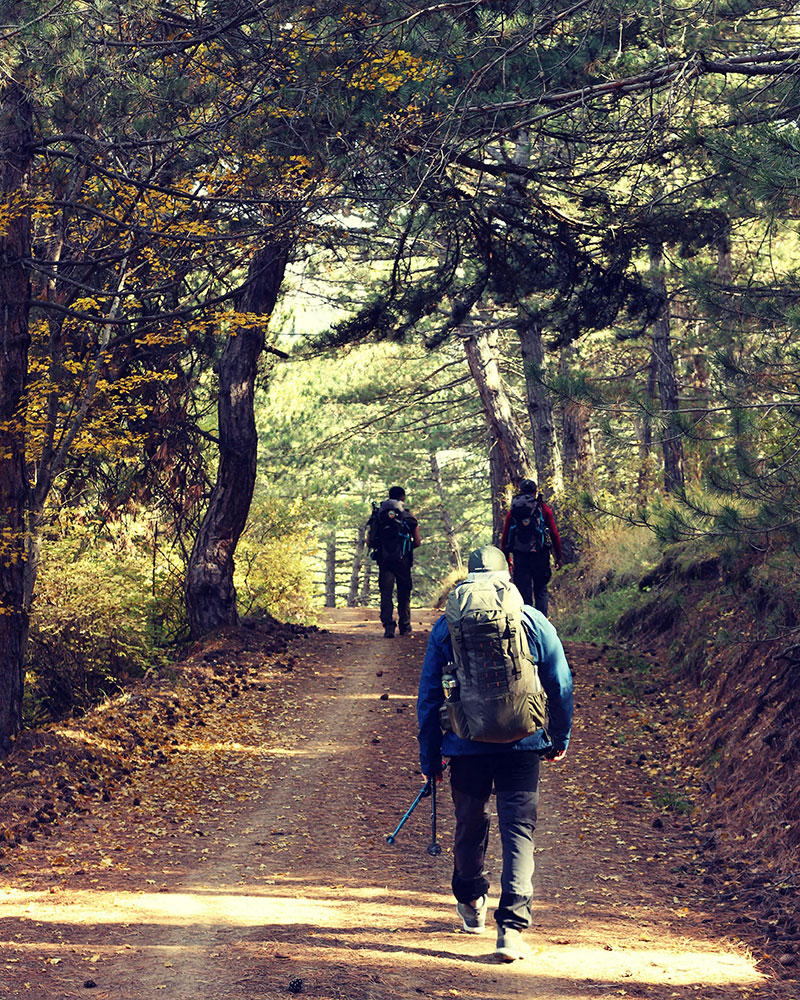
The programme moves beyond traditional sport initiatives by combining nature-based sport activities with experiential learning and guided reflection. This integrated approach helps participants transform sport experiences into meaningful personal and social development.
Participants take part in outdoor activities designed to promote:
• physical health and well-being
• teamwork and communication
• resilience and emotional regulation
• problem-solving and goal-setting
Through structured reflection sessions and mentoring support, these experiences are connected to participants’ real-life challenges. This process helps strengthen self-confidence and supports long-term behavioural and social change.
The intervention targets two groups:
Primary beneficiaries
Individuals experiencing or at risk of homelessness who participate directly in the activities.
Secondary beneficiaries
Professionals working with vulnerable populations, including social workers, educators, trainers, and volunteers.
Main Outputs
• Development and implementation of the GET-UP intervention
• Impact evaluation of the intervention
The programme moves beyond traditional sport initiatives by combining nature-based sport activities with experiential learning and guided reflection. This integrated approach helps participants transform sport experiences into meaningful personal and social development.
Participants take part in outdoor activities designed to promote:
• physical health and well-being
• teamwork and communication
• resilience and emotional regulation
• problem-solving and goal-setting
Through structured reflection sessions and mentoring support, these experiences are connected to participants’ real-life challenges. This process helps strengthen self-confidence and supports long-term behavioural and social change.
The intervention targets two groups:
Primary beneficiaries
Individuals experiencing or at risk of homelessness who participate directly in the activities.
Secondary beneficiaries
Professionals working with vulnerable populations, including social workers, educators, trainers, and volunteers.
Main Outputs
• Development and implementation of the GET-UP intervention
• Impact evaluation of the intervention
Activity 03: Training & Capacity Building Programme
This activity ensures the long-term sustainability and scalability of the GET-UP methodology by strengthening the skills of professionals working with vulnerable populations.
The programme provides social workers, educators, sport trainers, and volunteers with practical tools and methodological guidance to safely implement nature-based sport interventions.
The training programme follows the ADDIE instructional design model and includes the following phases:
• Analysis – identifying training needs based on the project research
• Design – structuring the training curriculum
• Development – producing training materials and resources
• Implementation – delivering the training through blended learning
• Evaluation – assessing learning outcomes and programme effectiveness
The programme combines online learning modules with face-to-face training sessions, allowing participants to develop competencies in:
• Experiential learning methods
• Inclusive sport facilitation
• Outdoor activity risk management
• Trauma-informed approaches when working with vulnerable groups
By strengthening professional capacity, the programme ensures that the GET-UP methodology can be replicated and applied in different social and geographical contexts.
Main Outputs
• GET-UP Training & Capacity Building Programme
• Programme Evaluation Report
• Social Return on Investment (SROI) Report
The programme provides social workers, educators, sport trainers, and volunteers with practical tools and methodological guidance to safely implement nature-based sport interventions.
The training programme follows the ADDIE instructional design model and includes the following phases:
• Analysis – identifying training needs based on the project research
• Design – structuring the training curriculum
• Development – producing training materials and resources
• Implementation – delivering the training through blended learning
• Evaluation – assessing learning outcomes and programme effectiveness
The programme combines online learning modules with face-to-face training sessions, allowing participants to develop competencies in:
• Experiential learning methods
• Inclusive sport facilitation
• Outdoor activity risk management
• Trauma-informed approaches when working with vulnerable groups
By strengthening professional capacity, the programme ensures that the GET-UP methodology can be replicated and applied in different social and geographical contexts.
Main Outputs
• GET-UP Training & Capacity Building Programme
• Programme Evaluation Report
• Social Return on Investment (SROI) Report